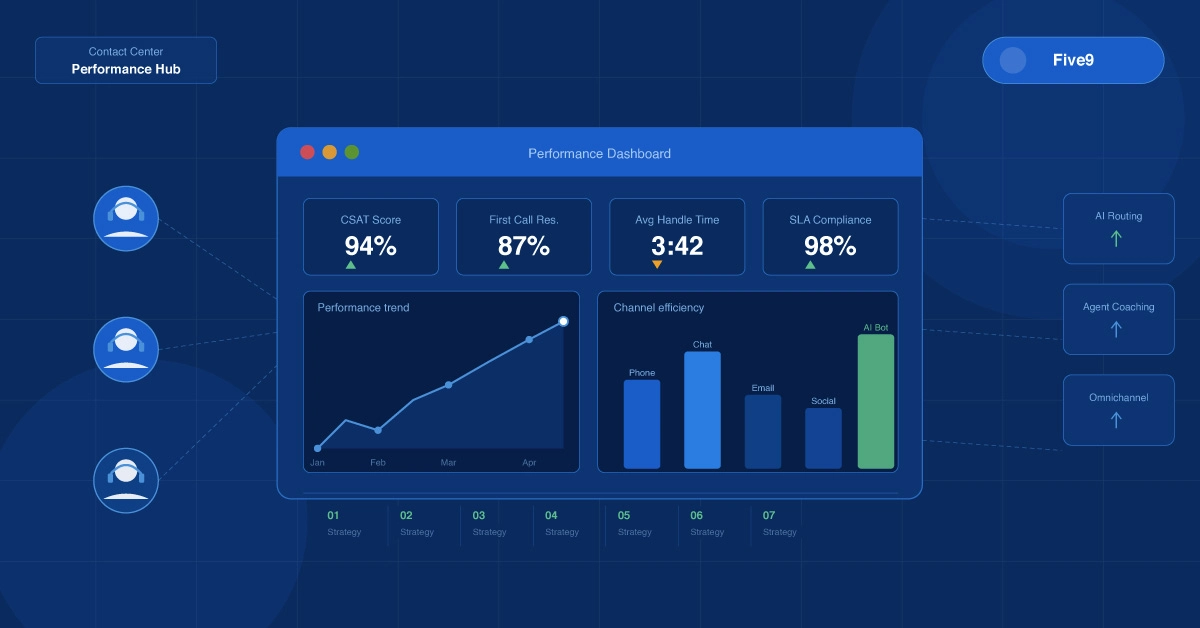
Contact center performance has a direct impact on customer satisfaction, agent productivity, operational costs, and long-term brand loyalty. When customers reach out for help, they expect fast answers, smooth transfers, personalized service, and consistent support across voice, chat, email, and digital channels. That is why many organizations turn to Five9 to modernize their contact center operations and create better experiences at scale.
Five9 gives contact centers the tools to manage customer interactions more efficiently through cloud-based routing, workforce optimization, automation, analytics, and AI-driven support capabilities. Still, technology alone does not improve results. Strong performance comes from using the platform strategically, aligning workflows with customer needs, and continuously refining operations based on data.
This guide covers seven proven strategies to improve contact center performance with Five9. Each strategy focuses on practical ways to boost efficiency, support agents, reduce friction, and create a more responsive customer experience.
Why Contact Center Performance Matters
A high-performing contact center does more than answer calls. It acts as a core part of the customer journey. Every interaction shapes how customers view your business. Slow response times, repeated handoffs, inconsistent answers, and long wait queues can quickly damage trust. On the other hand, a well-run contact center can increase retention, improve first contact resolution, raise customer satisfaction scores, and strengthen revenue opportunities.

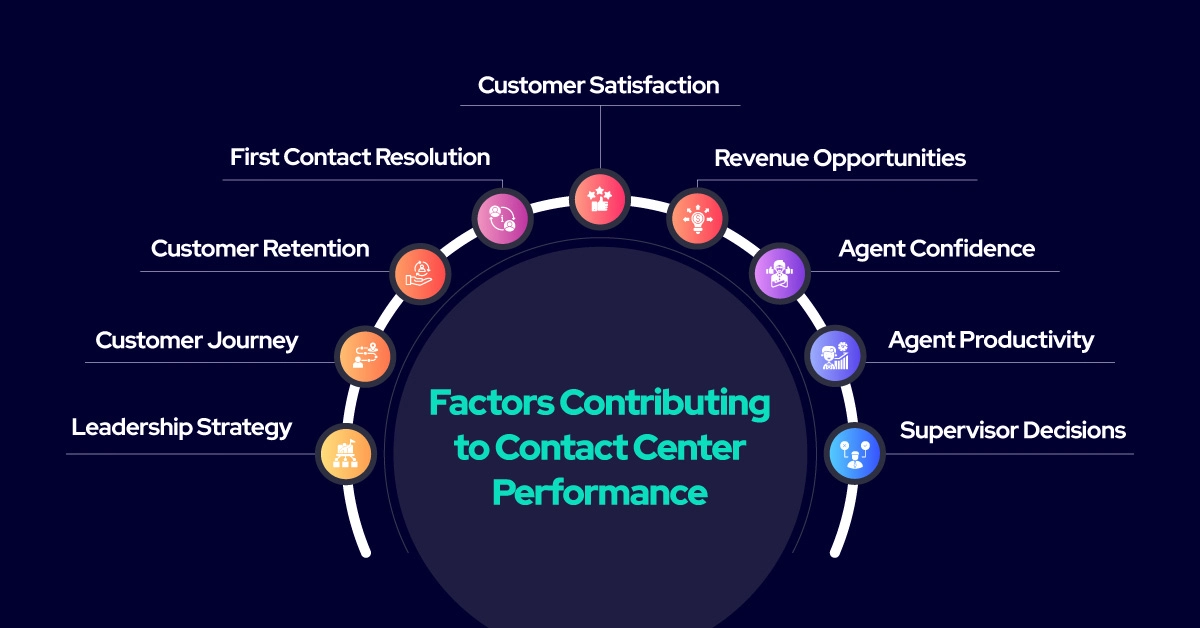
Performance also matters internally. Agents who work within efficient systems are more confident, more productive, and less likely to burn out. Supervisors can make better decisions when they have visibility into real-time and historical data. Leadership teams can scale operations more effectively when they know what is working and where improvements are needed.
Five9 helps support those goals, but results improve fastest when businesses combine the platform’s features with a clear performance strategy.
1. Optimize Intelligent Call Routing for Faster Resolutions
One of the fastest ways to improve contact center performance with Five9 is to refine your call routing strategy. Customers should reach the right agent as quickly as possible, without bouncing between departments or repeating the same issue multiple times. Intelligent routing helps make that happen.
Five9 allows businesses to route interactions based on factors like skill set, language, customer history, priority level, channel, and business rules. When routing is thoughtfully configured, customers get connected to agents who are best equipped to solve their issue on the first contact. That reduces handle time, lowers frustration, and improves both customer satisfaction and agent confidence.
The most effective routing strategies start with clear intent mapping. Review your most common call types and identify where transfers happen most often. Then align those patterns with agent skills and queue logic. High-value customers, urgent service issues, and technical support cases often benefit from more specialized routing paths. Simpler inquiries may be directed to general queues or self-service options first.
Smart routing should never remain static. Customer needs change, volume shifts by season, and staffing levels fluctuate. Regularly review routing outcomes inside your Five9 environment to identify bottlenecks, queue imbalances, and areas where customers experience avoidable delays.
2. Use Automation to Reduce Repetitive Work
Agents perform better when they can focus on meaningful conversations rather than repetitive administrative tasks. Automation helps eliminate manual steps that slow down service and increase agent fatigue. With Five9, businesses can automate parts of the customer journey before, during, and after interactions.
For example, automated workflows can handle routine questions, gather customer details before an agent joins the conversation, trigger follow-up actions, and streamline call dispositions or case updates. Interactive voice response, virtual assistants, and workflow automations can reduce pressure on live teams while keeping customer experiences consistent.
This does not mean replacing human agents. It means reserving live support for situations where empathy, judgment, and problem-solving matter most. Customers generally appreciate automation when it saves time and makes support easier. They become frustrated only when automation creates roadblocks or forces them into loops.
To get the best results, identify the top reasons customers contact your center and separate simple, repeatable issues from complex ones. Then use Five9 automation tools to handle the repeatable items efficiently. Balance is key. Your automation should shorten effort, not increase it.
3. Improve Agent Performance With Real-Time Guidance and Coaching
Even strong agents need support in the moment. Training alone is not enough, especially in fast-moving contact centers where products, policies, and customer expectations evolve quickly. One of the most effective strategies to improve contact center performance with Five9 is to equip agents with real-time guidance and ongoing coaching.
Real-time assistance helps agents stay compliant, follow best practices, and respond more accurately during live interactions. This is especially valuable for new hires, seasonal teams, and agents handling sensitive or high-complexity conversations. When agents have easier access to prompts, workflows, and knowledge resources, they can work with greater speed and confidence.
Supervisors should also use performance data to coach more effectively. Instead of offering broad feedback, focus on specific behaviors tied to measurable outcomes. That may include reducing dead air, improving call control, increasing empathy language, or strengthening problem diagnosis. Small adjustments often lead to meaningful gains in average handle time, first call resolution, and customer satisfaction.
Coaching should be consistent rather than reactive. Build regular review cadences around agent scorecards, QA evaluations, and trend analysis. Recognize top performance as often as you correct mistakes. A well-supported agent is more likely to stay engaged and deliver better customer experiences.
4. Strengthen Workforce Management and Scheduling
Staffing problems can quietly damage contact center performance. Too few agents create long wait times and frustrated customers. Too many agents increase labor costs without adding value. Five9 can help organizations improve scheduling accuracy and workforce planning, but success depends on how well teams use forecasting and performance data.
A strong workforce management strategy starts with understanding demand patterns. Look at peak hours, seasonal spikes, campaign-driven surges, and channel-specific volumes. Voice traffic may rise at different times than chat or email. Once those patterns are visible, you can build schedules that better align with actual customer demand.
Flexibility also matters. Contact centers that rely on rigid staffing models often struggle when conditions change unexpectedly. Build contingency plans for absenteeism, sudden volume increases, and service disruptions. Cross-train agents where possible so teams can shift resources more easily across queues.
Workforce optimization is not just about headcount. It also includes break timing, occupancy balance, adherence, and burnout prevention. Agents perform better when schedules are realistic and fair. Supervisors make better operational decisions when forecasting and intraday adjustments are based on real performance insights rather than assumptions.
5. Use Analytics to Turn Performance Data Into Action
You cannot improve what you do not measure. Five9 gives contact centers access to valuable data, but performance only improves when that data leads to action. Analytics should help leaders spot patterns, identify root causes, and make more informed operational decisions.
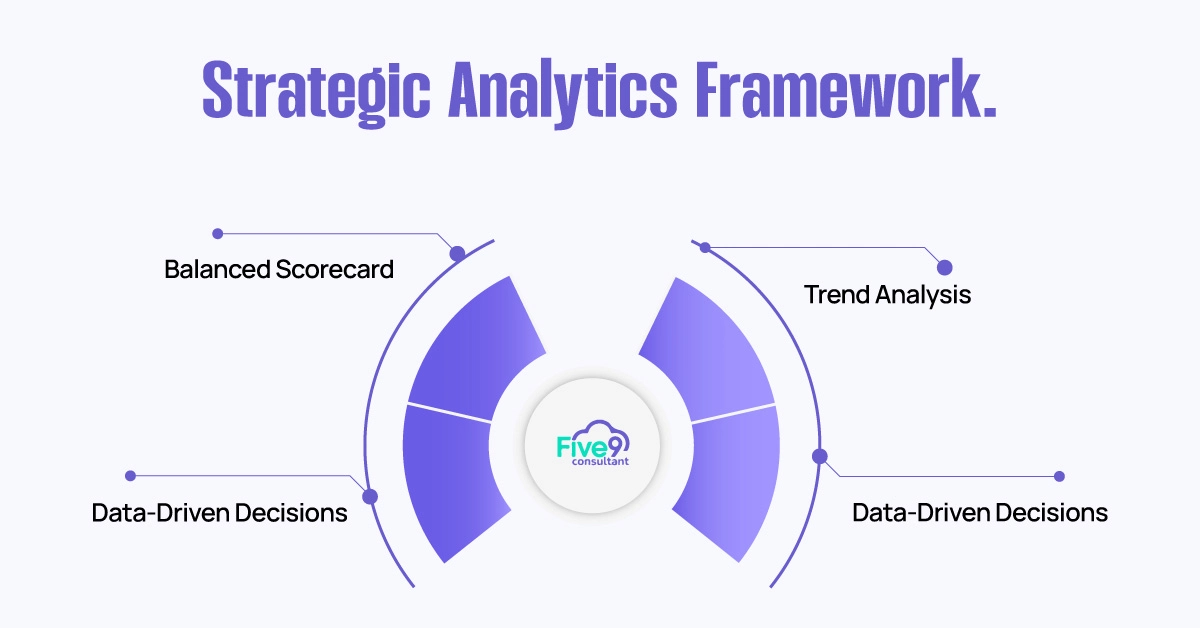
Many contact centers track surface-level metrics such as call volume and average handle time. Those numbers matter, but they do not tell the full story. To improve performance in a meaningful way, look at how metrics connect. For example, a drop in handle time may look positive until you realize first contact resolution also declined. A high agent occupancy rate may seem efficient until customer satisfaction starts to fall.
The most useful analytics strategies focus on a balanced scorecard. Track customer experience measures, operational efficiency, quality outcomes, and agent performance together. Review trends by team, channel, queue, issue type, and time period. This helps you separate isolated incidents from repeatable patterns.
Data should also be shared in a way that drives accountability. Supervisors need visibility into team performance. Agents should understand their own metrics and how those connect to customer outcomes. Leadership should be able to see which investments are improving service levels and which areas need attention.
When analytics become part of day-to-day decision-making, Five9 becomes more than a platform. It becomes a tool for continuous improvement.
6. Create a True Omnichannel Customer Experience
Customers no longer think in channels. They simply want help in the easiest way possible. Some may prefer a phone call, while others start with chat, email, social messaging, or self-service. A disconnected support model creates friction, especially when customers have to start over every time they switch channels.
Improving contact center performance with Five9 often means creating a more unified omnichannel experience. That includes connecting interaction history, reducing repetition, and giving agents context across touchpoints. When agents can see the full customer journey, they can respond faster and with greater relevance.
An omnichannel strategy should also account for consistency. Customers should receive the same quality of support whether they reach out by voice or digital channel. That requires shared knowledge, aligned workflows, and clear escalation paths. It also requires performance monitoring across channels, not just on phone calls.
Many organizations still treat digital support as separate from the contact center. That can lead to fragmented reporting, inconsistent service, and operational blind spots. Bringing channels together within a more unified framework can improve visibility, reduce customer effort, and make service operations more scalable.
7. Build a Culture of Continuous Improvement
The best contact centers do not treat performance improvement as a one-time project. They treat it as an ongoing discipline. Five9 can support optimization, but lasting gains come from a culture that values testing, learning, and refining.
Continuous improvement starts with clear goals. Decide which outcomes matter most for your organization. That may include first contact resolution, service level, customer satisfaction, agent retention, quality assurance, or cost per contact. Once priorities are defined, review them regularly and tie them to specific operational changes.
Encourage collaboration between supervisors, QA teams, workforce managers, operations leaders, and frontline agents. Agents often know where friction exists because they experience it every day. Their input can reveal broken workflows, outdated scripts, weak knowledge resources, or customer pain points that are not obvious in dashboards alone.
Small improvements compound over time. A better routing rule, a cleaner after-call workflow, a stronger coaching process, or a more accurate forecast can each produce measurable gains. When teams review results consistently and adjust based on evidence, performance becomes easier to sustain.
Common Mistakes That Hurt Contact Center Performance
Even with a powerful platform, certain mistakes can limit results. One common issue is relying too heavily on a single metric, such as average handle time, without balancing it against quality and resolution outcomes. Another is over-automating the customer experience in ways that create frustration instead of convenience.
Some organizations also underinvest in agent enablement. They launch new tools without improving workflows, training, or access to knowledge. Others fail to revisit routing logic and scheduling models after customer behavior changes. Performance suffers when systems remain static while demand evolves.
Another mistake is treating the contact center as separate from the broader customer experience. Sales, support, billing, technical service, and digital engagement all influence one another. The more connected your service operations are, the more effectively Five9 can support performance across the customer lifecycle.
Final Thoughts
Improving contact center performance with Five9 is not about turning on features and hoping for better outcomes. It requires a thoughtful approach that combines technology, process design, coaching, analytics, and customer experience strategy. When used well, Five9 can help contact centers reduce inefficiencies, support agents more effectively, and deliver faster, more personalized service.
The seven strategies covered here offer a practical roadmap. Optimize routing, automate repetitive work, strengthen coaching, improve workforce management, act on analytics, unify channels, and commit to continuous improvement. Together, these steps can help transform everyday operations into a more responsive, efficient, and customer-focused contact center.